
Table of Contents
- Why Small Interruptions Add Up
- Understanding the Cost of Context Switching
- The Myth of Multitasking
- The Role of Technology
- Strategies for Minimizing Interruptions
- Creating a Distraction-Free Workspace
- The Importance of Breaks
- Measuring the Impact of Interruptions
- Building a Focus-Friendly Routine
- The Long-Term Benefits of Reduced Interruptions
- FAQs:
Why Small Interruptions Add Up
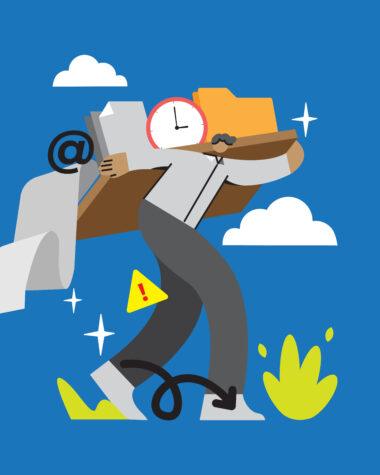
The struggle is real: you settle in to tackle that big project, and suddenly your digital world explodes with distractions. An email pops up, a notification dings, and before you can even focus, the day’s momentum is lost. It’s a common plight, and the truth is, these tiny interruptions can add up to a big productivity hit.
We’re all guilty of it: multitasking, jumping from one task to the next, and trying to cram as much as possible into our days, which is exactly why being busy feels safer than focused in the first place. But here’s the thing: those tiny interruptions that seem insignificant on their own can have a major impact when they start to pile up. They’re like tiny speed bumps that slow us down, throw us off track, and before we know it, our whole day has gone off the rails. So, what’s the solution?
Understanding the Cost of Context Switching
Every time you’re interrupted, your brain needs to switch contexts. This isn’t just a simple task-switch; it involves shifting your mental gears, which takes time and energy. Research by the University of California, Irvine, found it takes an average of 23 minutes and 15 seconds to refocus on a task after an interruption. That’s nearly half an hour lost every time you check that ‘urgent’ email.
Beyond the immediate time lost, frequent context switching can lead to mental fatigue and contribute to the mental load we call normal, where exhaustion builds quietly in the background. Your brain can only handle so much before it starts to slow down, making it harder to get back into the groove. This can lead to lower-quality work and a greater chance of mistakes, which may require even more time to fix.
The Myth of Multitasking
Many people pride themselves on being master multitaskers, but the truth is, our brains aren’t wired to handle multiple tasks simultaneously. What we’re actually doing is rapidly switching between tasks, which, as we’ve learned, is inefficient and exhausting.
A study from Stanford University showed that heavy multitaskers performed worse on tasks involving memory, attention, and even social interactions compared to those who focus on one task at a time. So, the next time you think you’re being productive by juggling five things at once, remember that focusing on one task might actually be the smarter move.
The Role of Technology
Our digital devices are often the culprits behind these small interruptions. With notifications pinging constantly, it’s no wonder we struggle to maintain focus. A study from Deloitte found that the average person checks their phone 47 times a day. That’s 47 potential interruptions!
To combat this, consider tweaking your notification settings. Disable non-essential alerts and set specific times to check your messages. Apps like Freedom or Focus@Will can help by blocking distracting sites or providing background music that enhances concentration.
Strategies for Minimizing Interruptions
One effective strategy is time blocking. Dedicate chunks of time to specific tasks and make it known to others that you’re unavailable during these periods. This creates a focused environment where you can work without the threat of interruptions.
Another approach is the ‘Do Not Disturb’ mode on your devices. Use it during work sessions to ensure you’re not tempted to respond to each notification. Additionally, communicate with your team about your schedule, so they know when you’re available for discussions.
Creating a Distraction-Free Workspace
Your physical environment can play a huge role in how often you’re interrupted. A cluttered workspace can lead to mental clutter, so keep your desk tidy and organized. This not only minimizes distractions but can also boost your mood and productivity.
Consider setting boundaries if you work in a shared space. A simple sign on your desk signaling that you’re in deep work can help others know when to approach you. Noise-canceling headphones can also be a great investment if you find ambient noise distracting.
The Importance of Breaks
While it might seem counterintuitive, taking regular breaks can actually help reduce the impact of interruptions. The Pomodoro Technique, for example, involves 25 minutes of focused work followed by a 5-minute break. This rhythm helps maintain high levels of productivity without mental fatigue.
Breaks provide your brain with the downtime it needs to process information and recharge, making it easier to return to tasks with renewed focus and energy. Just make sure your breaks are intentional and don’t morph into endless social media scrolling!
Measuring the Impact of Interruptions
Understanding how interruptions affect your productivity can be enlightening. Consider keeping a log of your workday, noting when interruptions occur and how long it takes to get back on track. This can help you identify patterns and the most common sources of disruption.
Apps like RescueTime can provide insights into how you spend your time, highlighting periods of productivity and distraction. By analyzing this data, you can make informed decisions about how to structure your day for maximum efficiency.
Building a Focus-Friendly Routine
Establishing a routine can help minimize interruptions by creating predictable patterns in your day. Start by setting a consistent schedule, including dedicated times for deep work, meetings, and breaks.
Routines signal to your brain when it’s time to focus and when it’s okay to relax. Over time, this can help reduce the impact of interruptions, as you’ll have a clear structure for when to tackle different types of tasks.
The Long-Term Benefits of Reduced Interruptions
When you make a concerted effort to reduce interruptions, you’ll likely notice improvements in both your work quality and personal well-being. With more focused work sessions, tasks may take less time, leaving you with more free time.
Additionally, reducing interruptions can lead to lower stress levels. Constant disruptions can raise cortisol levels, the body’s primary stress hormone. By creating a more focused work environment, you can foster a sense of calm and control over your workload.
Those tiny interruptions that pop up throughout the day might seem harmless, but they can have a sneaky way of adding up and wreaking havoc on your productivity – not to mention your stress levels. So, what’s behind these pesky disruptions, and more importantly, how can you wrestle back control of your workday?
Want to turn your day around? It’s surprisingly simple. By making a few tweaks to your routine – think time blocking, customizing your notifications, and carving out a distraction-free zone – you can swap a day of constant interruptions for one of laser-like focus and serious productivity.
FAQs:
How do small interruptions affect productivity?
Small interruptions can significantly affect productivity by causing context switching, which takes time and mental energy. Each distraction can lead to a loss of focus, requiring about 23 minutes to regain concentration, thus reducing overall work efficiency.
What are some common sources of interruptions?
Common sources of interruptions include digital notifications from emails and social media, phone calls, and office distractions like coworkers. These can disrupt workflow and make it challenging to maintain focus on important tasks.
Can multitasking help reduce the impact of interruptions?
No, multitasking is not effective in reducing interruptions. It involves rapid context switching, which can be exhausting and less efficient. Focusing on one task at a time is generally more productive and less mentally taxing.
What techniques can help minimize interruptions?
Techniques like time blocking, using ‘Do Not Disturb’ modes, and creating a distraction-free workspace can help minimize interruptions. These strategies help maintain focus by reducing external distractions and allowing for dedicated work periods.
Why are breaks important in managing interruptions?
Breaks are crucial because they provide your brain with necessary downtime to recharge and process information. Techniques like the Pomodoro Technique encourage regular breaks, which help maintain productivity and reduce the mental fatigue caused by constant interruptions.