
Table of Contents
Why Efficiency Became a Personality Trait
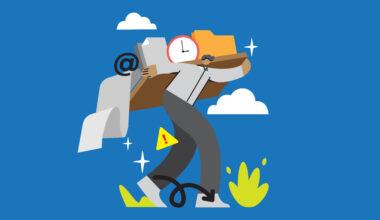
Efficiency isn’t just a buzzword anymore—it’s now a must-have for keeping up in today’s busy world. For some people, efficiency is even seen as an efficiency personality trait they possess and take pride in. With technology making everything faster and our to-do lists growing, it’s not only about getting things done, but doing them quickly and well. But why do we care so much about being efficient? It’s more than just saving time or getting more done. For many of us, it’s become part of our identity, something we value and strive for, often without even realizing it.
Today’s workplaces are full of demands and distractions, and efficiency has become something we really admire. With so many productivity apps and the rise of multitasking, it often feels like our value depends on how much we can fit into a single day. But how did we get to this point? What’s behind our constant drive to be more efficient?
The Cultural Shift Towards Efficiency
Efficiency wasn’t always the defining trait it is today. In earlier times, qualities like craftsmanship and patience were more highly valued. However, the industrial revolution marked a turning point, prioritizing speed and output over meticulous attention to detail. Fast forward to the digital age, and the cultural landscape has dramatically shifted toward valuing speed and efficiency above all else.
You can see this change clearly at work. Employers look for people who can handle many tasks at once and still do a good job. The rise of ‘hustle culture’ has made this even more common, as being productive is often seen as a sign of success. In this setting, being efficient is the same as being capable and skilled.
The Role of Technology
The digital age has given us great tools to help us use our time better. Apps like Todoist, Trello, and Evernote are just a few ways technology helps us be more efficient. These tools make it easier to organize our tasks and manage our daily lives.
Moreover, the constant connectivity enabled by smartphones and the internet means people expect quick replies and fast solutions. This pushes us to be even more efficient. It’s easy to see why efficiency has become part of our personalities—we’re always encouraged to be as productive as possible.
Efficiency in the Workplace
In the workplace, efficiency is more than a buzzword—it’s a necessity. Companies are increasingly embracing lean methodologies and agile practices to enhance productivity. Employees are encouraged to adopt efficient work habits, such as prioritizing tasks and minimizing distractions.
Interestingly, this focus on efficiency has also led to a re-evaluation of work-life balance. Many companies are recognizing that overworking can lead to burnout, which is counterproductive in the long run. As a result, there’s a growing trend toward flexible work hours and remote work options, which can help maintain efficiency without sacrificing well-being.
In our social lives, people expect us to be efficient too. Whether it’s replying to messages quickly or planning events carefully, being efficient is seen as thoughtful and responsible. Social media makes this even stronger, since it’s all about sharing and getting feedback right away.
But this pressure to be efficient can also cause stress, especially if you prefer a slower pace. So, while being efficient is helpful, it’s important to find a balance that fits your own life.
The Psychological Impact of Efficiency
Psychologically, efficiency is linked to a sense of control and accomplishment. Completing tasks quickly and effectively can boost self-esteem and provide a sense of achievement. However, the pressure to always be efficient can also lead to stress and burnout.
The key is to find a balance. Knowing your limits and allowing yourself to take breaks can help protect your mental health. Remember, efficiency should make your life better, not take it over.
Efficiency in Personal Development
On a personal level, being efficient can lead to significant self-improvement. By setting clear goals and managing time wisely, you can achieve personal milestones more effectively. This can be particularly rewarding in areas such as fitness, education, or hobbies.
But remember, personal growth isn’t a race. Efficiency can help you move forward, but it’s also important to enjoy the process. Life is more than just checking off tasks.
Critics of Efficiency
Not everyone is on board with the idea that efficiency should be a defining personality trait. Some critics argue that the relentless pursuit of efficiency can lead to a loss of creativity and spontaneity. When everything is optimized for speed, there’s less room for exploration and innovation.
Also, always feeling the need to be efficient can be exhausting and lead to burnout. Because of this, some people are now focusing on slowing down and enjoying life more. It’s a good reminder that efficiency is helpful, but it’s not the only way to have a meaningful life.
Balancing Efficiency with Well-being
Efficiency can help you succeed, but it shouldn’t come at the cost of your well-being. Balancing work and free time is important for a healthy life. Taking breaks, exercising, and relaxing can actually make you more productive without hurting your health.
A helpful method is the Pomodoro Technique, where you work in short, focused sessions and take regular breaks. This can help you stay energized and avoid burnout. Remember, efficiency should make things easier for you, not harder.
Future of Efficiency as a Trait
In the future, efficiency will probably stay important, especially as our world becomes more digital. Still, people may start to focus more on sustainable efficiency, aiming for long-term goals without giving up their health or happiness.
As things change, people may start to value mindfulness and balance along with efficiency. In the future, we might see a more well-rounded view of efficiency, where personal happiness and professional success go hand in hand.
In today’s fast-paced world, efficiency is the name of the game – and it’s easy to see why. Who doesn’t love getting things done quickly and with minimal fuss? But here’s the thing: being efficient is only one part of the equation. To truly live life to the fullest, we need to ensure we’re not sacrificing creativity, spontaneity, or our overall well-being on the altar of productivity.
Finding that sweet spot between harnessing efficiency and living life to the fullest will be crucial as we move forward. By making efficiency work for us, rather than the other way around, we can reap its benefits without sacrificing the messy, beautiful complexities of human experience.
FAQs:
Why is efficiency considered a personality trait?
Efficiency is considered a personality trait because it reflects how individuals manage tasks and responsibilities in their daily lives. It’s valued in both professional and personal contexts, where being efficient often equates to being capable and effective.
How has technology influenced the value of efficiency?
Technology has greatly influenced the value of efficiency by providing tools that streamline tasks and enhance productivity. Apps and digital platforms allow us to manage time better, leading to a cultural expectation of constant availability and rapid task completion.
What are some downsides to prioritizing efficiency?
Prioritizing efficiency can lead to stress, burnout, and a loss of creativity. The constant pressure to be productive may overshadow the importance of taking breaks and enjoying the moment, which can negatively impact mental well-being.
How can one balance efficiency with personal well-being?
Balancing efficiency with well-being involves setting realistic goals, taking regular breaks, and prioritizing self-care. Techniques like the Pomodoro Technique can help maintain productivity while ensuring time for relaxation and reflection.
Will efficiency remain important in the future?
Efficiency will likely remain important, but the focus may shift to sustainable practices that integrate well-being and long-term success. As society evolves, a more balanced approach to efficiency is expected, valuing both productivity and personal satisfaction.